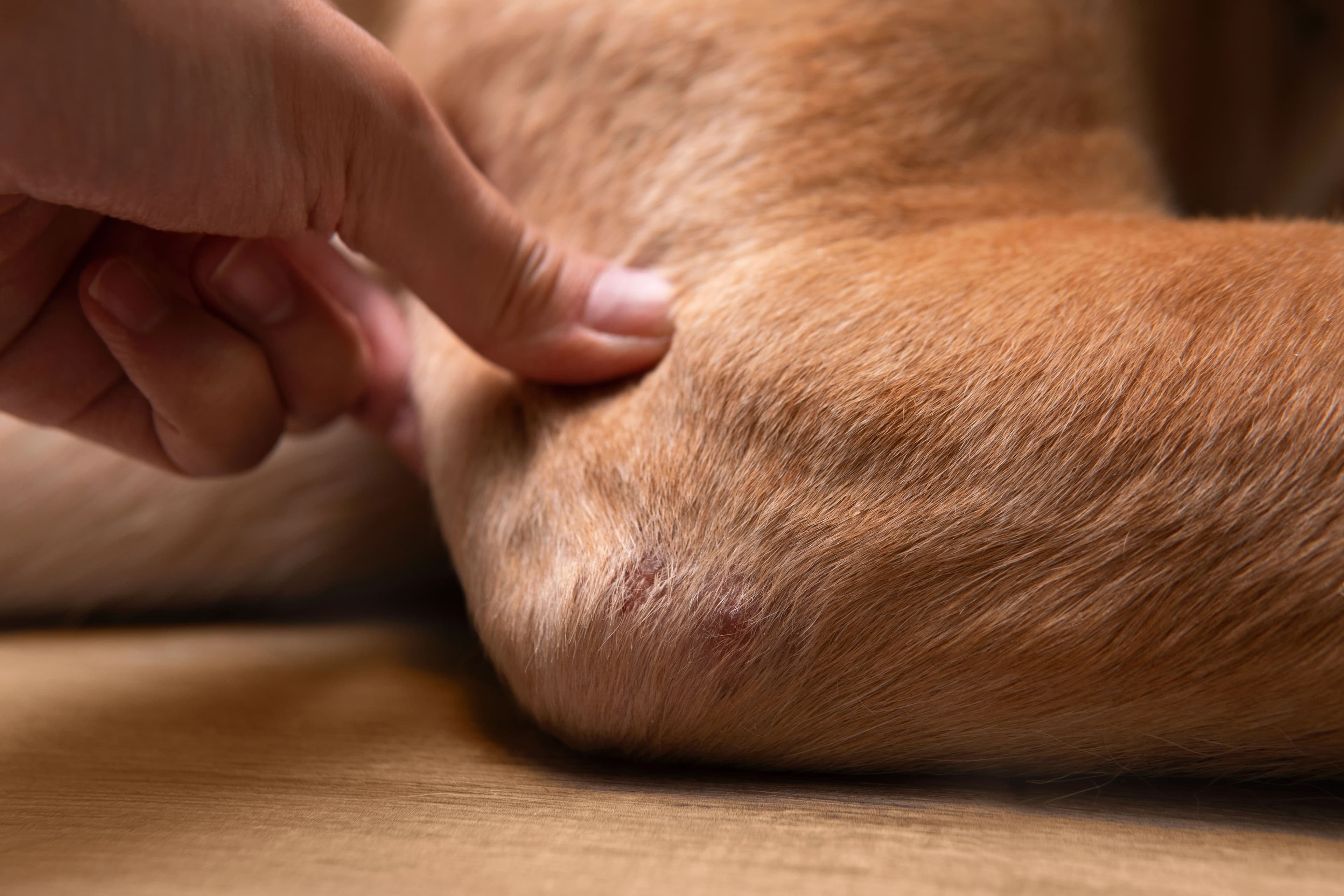
Winter Joint Pain in Dogs: How Cold Weather Affects Arthritis in Dogs
When temperatures drop, many dog owners notice their pets moving more slowly or showing signs of stiffness. These changes often point to arthritis, a common condition that affects the joints and causes discomfort, especially in older dogs.
This article explains how arthritis develops in dogs, why cold weather can make it worse and how to help manage symptoms during the winter months. It also looks at the areas most affected, signs to watch for and practical ways to keep your dog comfortable and active even when it’s cold outside.
In One Sentence:
Cold weather can worsen arthritis symptoms in dogs by stiffening joints and reducing mobility, but with the right care, their comfort and quality of life can be maintained throughout winter.
Key Takeaways
Here are the five biggest takeaways from this article about winter joint pain in dogs:
Dogs can develop arthritis at any age, although it is most common in older pets.
Arthritis occurs when the protective cartilage around joints wears down, causing pain and stiffness.
The hips, knees and elbows are the joints most often affected in dogs.
Signs of arthritis include stiffness, limping, reluctance to move and changes in behaviour.
Managing arthritis in winter involves warmth, gentle exercise, weight control and medication or supplements prescribed by a vet.
Can dogs get arthritis at any age?
While arthritis is often linked to ageing, dogs of any age can develop it. According to the PDSA, normal wear and tear over time contributes to arthritis later in life, but younger dogs can also be affected if their joints experience stress or injury [1]. Large breeds, such as Labradors and German Shepherds, are particularly prone due to their size and weight, but smaller breeds are not immune.
Arthritis may also develop earlier in dogs with joint abnormalities like hip or elbow dysplasia. Obesity is another major factor, as excess weight places extra strain on the joints. Some dogs may also inherit a predisposition to joint problems, especially if their parents had similar issues. Early diagnosis is key to managing arthritis effectively and slowing its progression.
How does arthritis develop in dogs?
Arthritis occurs when the cartilage that cushions the joints becomes damaged or wears away. The Blue Cross explains that when this protective layer deteriorates, bones start to rub together, leading to pain, swelling and reduced movement [2].
Over time, the body responds by forming new bone around the joint in an attempt to stabilise it, but this only adds to stiffness and discomfort.
Several factors can contribute to the development of arthritis in dogs, including:
Previous injuries, such as fractures or joint trauma
Poor diet
Rapid growth whilst a puppy
Too much exercise
Where does arthritis affect dogs the most?
Arthritis can affect any joint, but it is most common in the hips, knees, elbows and spine. These areas carry much of a dog’s weight and are used constantly for walking, running and jumping. Hip arthritis is especially common in larger breeds, while smaller dogs often experience stiffness in the knees or elbows.
You might notice your dog finding it difficult to climb stairs, jump into the car, or get up after resting. Dogs with spinal arthritis may have trouble bending or may move stiffly. Since joint degeneration progresses gradually, symptoms may appear subtle at first and worsen with time.
How to tell if a dog has arthritis
Spotting arthritis early allows for better treatment and a more comfortable life for your dog. Look for signs such as:
Stiffness when standing
Limping
Hesitancy to exercise
Your dog might seem tired more easily or show reluctance to go for walks. Behavioural changes like irritability or restlessness can also indicate joint pain.
You may notice that your dog licks or chews at painful joints or struggles to find a comfortable resting position. Cold or damp weather often makes these symptoms more obvious. If you suspect arthritis, your vet can perform a physical examination and may recommend X-rays to confirm the diagnosis.
How does cold weather affect arthritis during the winter?
Cold weather can intensify arthritis symptoms in dogs. As temperatures drop, joints and muscles become stiffer, making movement more difficult. Reduced air pressure and dampness can also increase joint discomfort. Dogs often move less during colder months, which can lead to weight gain and further strain their joints.
Older dogs and those with thin coats are particularly vulnerable to the cold. The chill can cause muscles to tighten around inflamed joints, limiting flexibility. Some dogs may appear more reluctant to go outside or take longer to warm up after rest.
How to manage arthritis in dogs during the winter
Managing arthritis in dogs during cold weather involves several key steps to reduce pain and maintain mobility. The following approaches, supported by veterinary guidance, can make a big difference [3].
Keep your dog warm
Provide soft, supportive bedding away from draughts and cold floors. A heated pet bed or warm blanket can help soothe stiff joints. When outside, a well-fitted dog coat helps retain body heat, especially for older or short-haired dogs.
Encourage gentle exercise
Regular movement is important to prevent stiffness. Short, frequent walks are better than long or strenuous ones. Avoid icy or uneven surfaces, which can increase the risk of injury. Low-impact activities like swimming or hydrotherapy can also support joint health.
Maintain a healthy weight
Extra weight puts added pressure on joints. If your dog is overweight, your vet can advise on portion control and suitable diet changes. Weight management is one of the most effective ways to reduce arthritis symptoms.
Provide joint supplements or prescribed medication
Joint supplements can support cartilage health and reduce inflammation. Your vet may prescribe anti-inflammatory medication or pain relief for more advanced cases. Always follow veterinary advice when giving any treatment.
Adapt your home
Consider using ramps for access to sofas, cars, or stairs. Non-slip mats or rugs can make it easier for your dog to move around on slippery floors. Gentle massage or physiotherapy, when approved by your vet, can also help improve circulation and comfort.
Below is a video from the PDSA explaining how to recognise and manage arthritis in dogs:
Final Thoughts from Vicki
“Winter can be a challenging time for dogs with arthritis, but with a few careful adjustments, you can make the season much more comfortable for them. Keeping your dog warm, active and at a healthy weight helps ease stiffness and support mobility. Always work with your vet to manage pain and monitor changes in your dog’s condition. A little extra care during the colder months can make a big difference to your dog’s comfort and happiness all year round”.
Medically reviewed by:

Sources
[2] Arthritis in Dogs | Blue Cross
[3] Dog Arthritis Treatment: How To Help a Dog With Arthritis | PetMD