What Season of the Year Are Cats in Heat?
Cats can experience a reproductive cycle known as a “season” or “heat” several times a year. Understanding when cats go into heat, what signs to look for and how to care for them during this time is important for responsible pet ownership. This article explains when cats come into season, how long it lasts and what you can do to support your cat. It also covers how to prevent unwanted pregnancies and answers common questions about this natural process.
In One Sentence:
“Female cats typically come into heat during the spring and summer months, with their cycle influenced by daylight, temperature and whether they have been neutered”.
Key Takeaways
Here are the five biggest takeaways from this article about cats and their seasons:
A cat’s season refers to the time when a female cat is fertile and ready to mate.
Cats usually come into season during warmer months, particularly spring and summer.
Common signs of heat include restlessness, vocalisation and affectionate behaviour.
Keeping your cat indoors during this period prevents unwanted pregnancies and fights.
Spaying your cat is the most effective way to prevent future heats and health issues.
What is a heat (or season)?
A heat, also known as a season, is the time when a female cat is sexually receptive and capable of becoming pregnant. This cycle is part of a cat’s natural reproductive process. During heat, hormonal changes cause the cat to display specific behaviours to attract male cats.
Unlike dogs, cats do not have a discharge during this time, but their behaviour changes significantly. They might become noisier, more affectionate and display physical signs of restlessness or agitation [1].
Can seasons be different for different cats?
Yes, the timing and frequency of a cat’s heat can vary. Factors such as breed, age and environment influence the cycle. Shorthaired cats often reach maturity sooner than longhaired cats and may have their first season at a younger age. Indoor cats exposed to artificial light may come into heat throughout the year, while outdoor cats usually cycle more in spring and summer, when daylight hours are longer.
Signs of a cat on heat: Behaviour to look out for
Cats in heat often show clear behavioural signs. These can be confused with illness or distress, but they are natural and temporary.
Signs of a cat in heat | Description |
| Increased vocalisation | Loud meowing to attract males. |
| Restlessness | Pacing, especially at night. |
| Affectionate behaviour | Rubbing against furniture, people or the floor more than usual. |
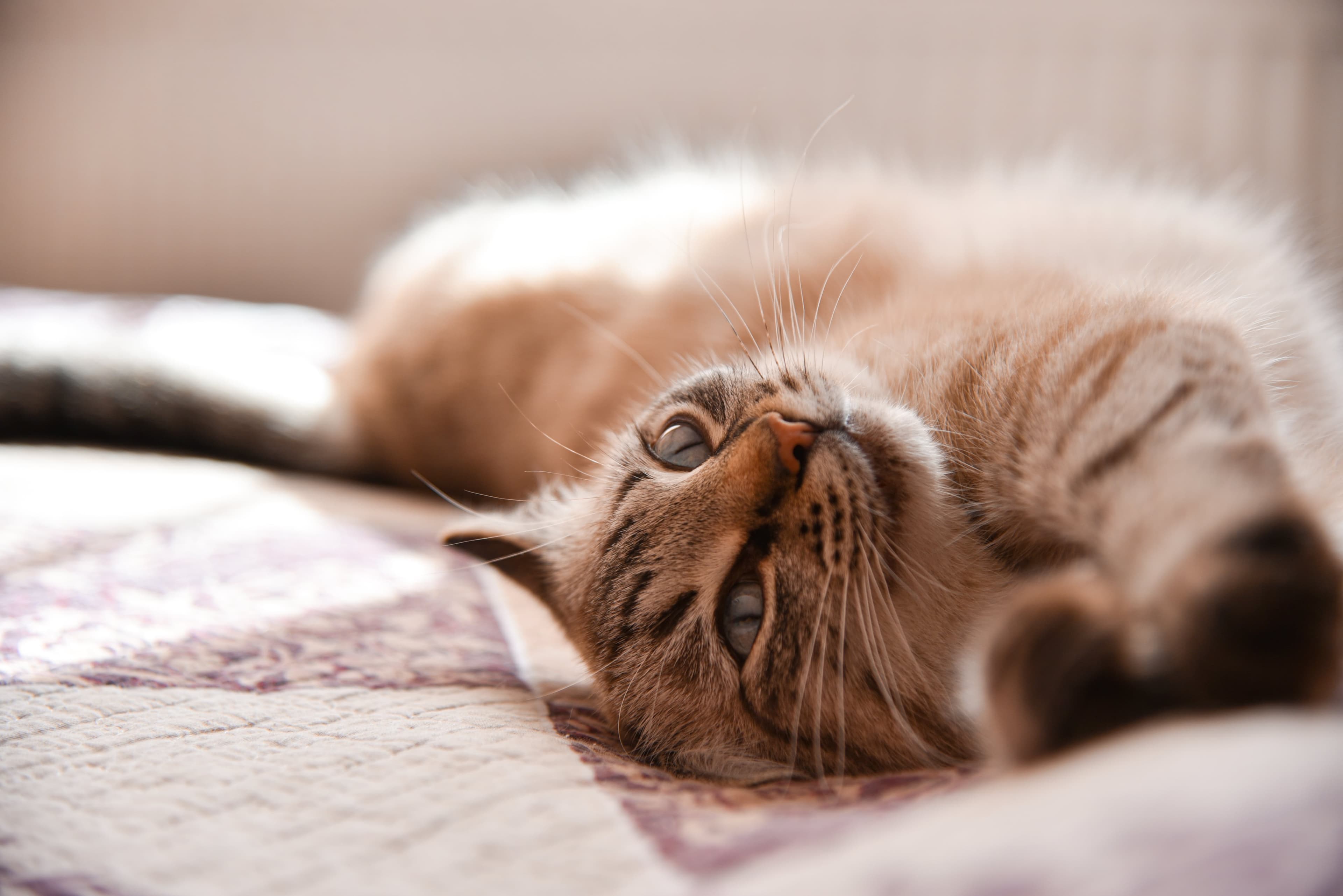
| Rolling on the floor | Common display of mating behaviour. |
| Raised hindquarters | Raising the back end. |
| Spraying or scent marking | Spraying urine to attract males. |
| Attempting to escape | Driven by the instinct to find a mate. |
Video: Signs your cat is in heat
To help you recognise these signs, watch this short video by Pet Health Club, which clearly shows typical behaviours of cats in heat.
Duration of a cat's season
A cat’s season can vary in length and frequency. Female cats are known as seasonally polyoestrous, meaning they can come into heat several times throughout the year, particularly when there are longer daylight hours.
How long are cats in heat?
A typical heat lasts about 7 to 10 days. If a cat does not mate during this time, the cycle may stop for a short period before restarting after about two to three weeks. This can continue throughout spring and summer.
What age do cats have their first heat?
Cats usually reach sexual maturity between four and twelve months old. Shorthaired breeds tend to mature earlier, sometimes as young as four months, while longhaired breeds often start later. Once mature, cats can become pregnant during any heat, so early neutering is recommended to avoid unwanted litters.
Caring for a cat on heat
Caring for a cat in heat can be challenging due to their restlessness and vocal behaviour. Although this is a natural process, there are ways to make your cat more comfortable and prevent unwanted behaviour.
Ways to care for a cat in heat | Description |
| Keep them indoors | Prevents pregnancy and avoids fights with rival cats. |
| Provide comfort and distraction | Gentle play, extra affection and toys can ease restlessness. |
| Maintain a calm environment | Keep noise levels low and routines regular. |
| Clean any scent markings | Use pet-safe cleaners to remove odours. |
| Provide warm, quiet spaces | Provide a cosy bed or blanket. |
These small adjustments can make a noticeable difference to your cat’s comfort and well-being.
Preventing pregnancy in cats
The most reliable way to prevent your cat from becoming pregnant is to have her spayed. Spaying involves a simple surgical procedure that removes the ovaries and uterus, stopping the heat cycle entirely.
Spaying also offers several health benefits. It reduces the risk of uterine infections and certain cancers and helps prevent stress linked to frequent heats. Your vet will usually recommend spaying from around four months old, before the first heat begins.
If your cat is in heat and you do not plan to breed her, it is important to keep her indoors until she has been spayed. Even brief outdoor access can result in pregnancy, as female cats are highly fertile during this time.
FAQs about cats coming into a season
Does my cat need to have a litter before being spayed?
No. It is a common myth that cats should have a litter before being spayed. There are no health or behavioural benefits to this and early spaying is generally recommended.
Can cats go into heat all year round?
While cats are more likely to go into heat in spring and summer, indoor cats exposed to artificial lighting may cycle throughout the year.
How can I tell if my cat is in pain during heat?
Although cats in heat can appear distressed, they are not in physical pain. The behaviours you notice are linked to hormonal changes, not discomfort.
Can a cat get pregnant the first time she’s in heat?
Yes. Cats are fertile during their very first season, so pregnancy is possible even at a young age.
What should I do if my cat’s behaviour changes suddenly?
If your cat shows unusual signs, such as loss of appetite, lethargy, or persistent distress, contact your vet. These may indicate another health issue rather than a normal heat cycle.
Final Thoughts from Vicki
“Understanding when and why cats come into heat helps you care for your pet’s physical and emotional well-being. By recognising the signs and knowing how to manage the cycle, you can keep your cat comfortable and safe. Spaying not only prevents unwanted pregnancies but also supports a calmer, healthier life for your cat throughout the year”.